
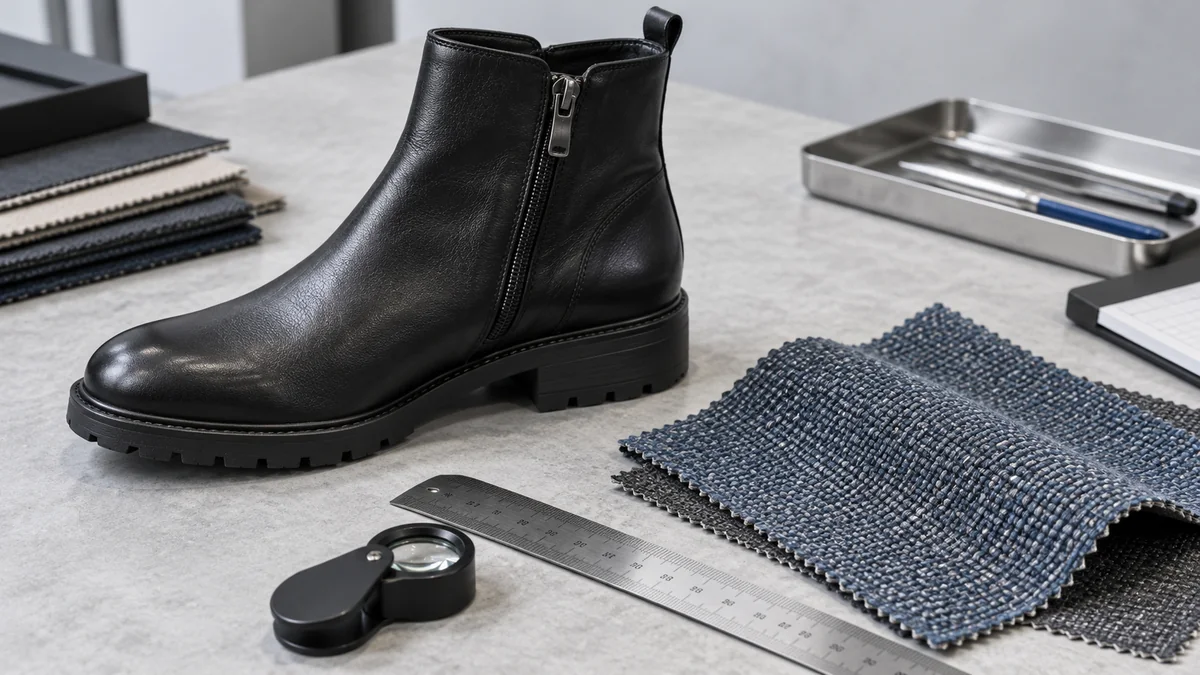
Briefly
What is a product examination, when it is needed, what a product examination expert checks, what documents are required, and how to use the conclusion for a claim or court.
When a product examination is needed
- dispute with the seller or service center
- defects in furniture, shoes, clothing, or appliances
- damage to property after flooding or fire
- a claim, review, or legal position is needed
What does a product expert check
- presence of defects
- the nature and causes of damage
- compliance of the product with the contract and its intended use
- suitability for further use
What to prepare for a consultation
- receipt, electronic receipt, or other proof of purchase
- contract, work order, specification, or project
- warranty card, manual, labeling, tags
- photos and videos of defects or damages
- claim to the seller, contractor, or service center
- response from the seller, quality inspection report, or service center report
- flood report, fire documents, or insurance company documents, if applicable
- expert opinion of the other party or case materials if the dispute is already in court
Related services
Product examination
More details about the direction, questions to the expert, documents, and work procedure.
Open pageIndependent product examination
More details about the direction, questions to the expert, documents, and work procedure.
Open pageForensic product examination
More details about the direction, questions to the expert, documents, and work procedure.
Open pagePre-trial product examination
More details about the direction, questions to the expert, documents, and work procedure.
Open pageProduct expert’s report for court proceedings
More details about the direction, questions to the expert, documents, and work procedure.
Open pageExamination of substandard goods
More details about the direction, questions to the expert, documents, and work procedure.
Open pageExamination of goods for a claim
More details about the direction, questions to the expert, documents, and work procedure.
Open pageTechnical review of a product examination report
More details about the direction, questions to the expert, documents, and work procedure.
Open page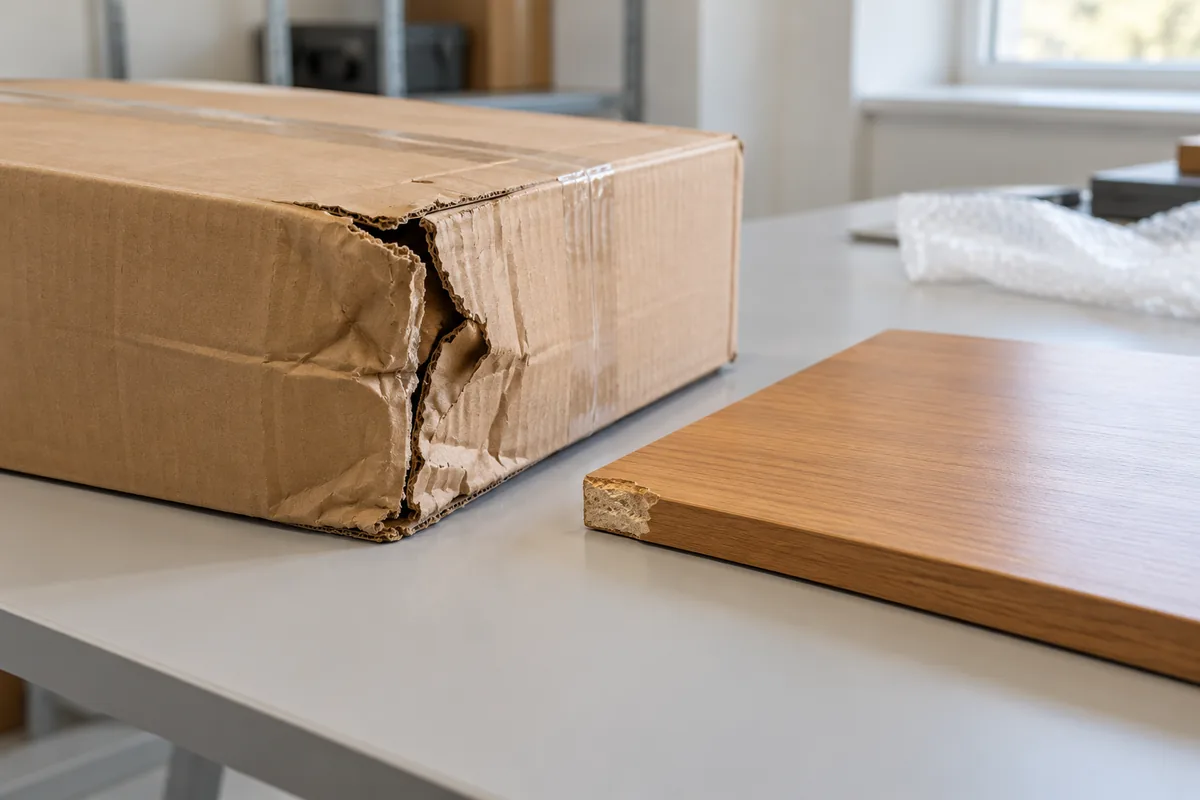
How to choose a research task
Presence of a defect, its cause, compliance with the contract, and cost of repair — related but separate questions. Before starting work, it is useful to determine which fact is truly being disputed and what materials can confirm it.
For example, a description of a chip does not automatically determine when it occurred and who is responsible for it. For studying the mechanism, packaging, handling history, and photos of receipt may be important. To assess compliance with the set of items, documents about the agreed delivery are needed.
What makes a conclusion verifiable
- Clear identification of the product and its condition.
- Information about the presented materials and actions performed.
- Description of signs, not just the final quality assessment.
- Explanation of the connection between the study and the answers.
- Explicit limitations in the absence of original data.
The conclusion does not guarantee a specific decision by the seller or the court. Its practical significance depends on reasonableness and relevance to the subject of the dispute. Preserving the object before repair and consistent documentation is often more important than trying to obtain the desired wording in advance.
On the topic: Damage during delivery: how to preserve the product, packaging, and documents.
Get a consultation on the topic of the article
What can be sent for primary analysis
- photos of the product or property
- receipt, contract, warranty card
- claim and seller's response
- flood report, service report, or report from another party